
Operation Mohéli: Marine Conservation and Community Development in the Comoros
BP Conservation Leadership Programme – Future Conservationist Award | 2006-2008
Combining marine biodiversity research, local knowledge, youth leadership and sustainable tourism to strengthen community-led conservation in the Comoros.
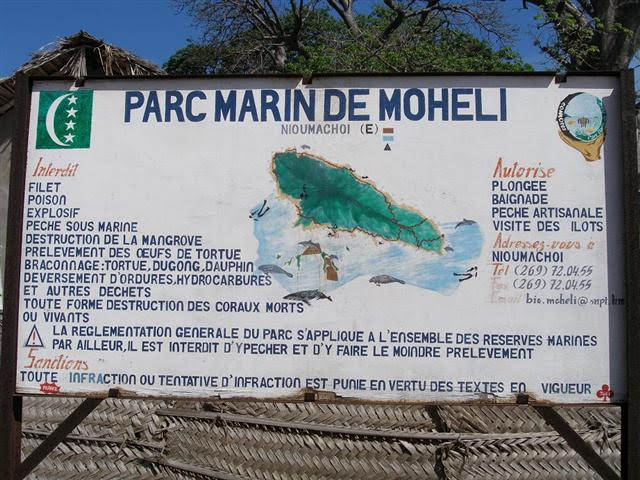
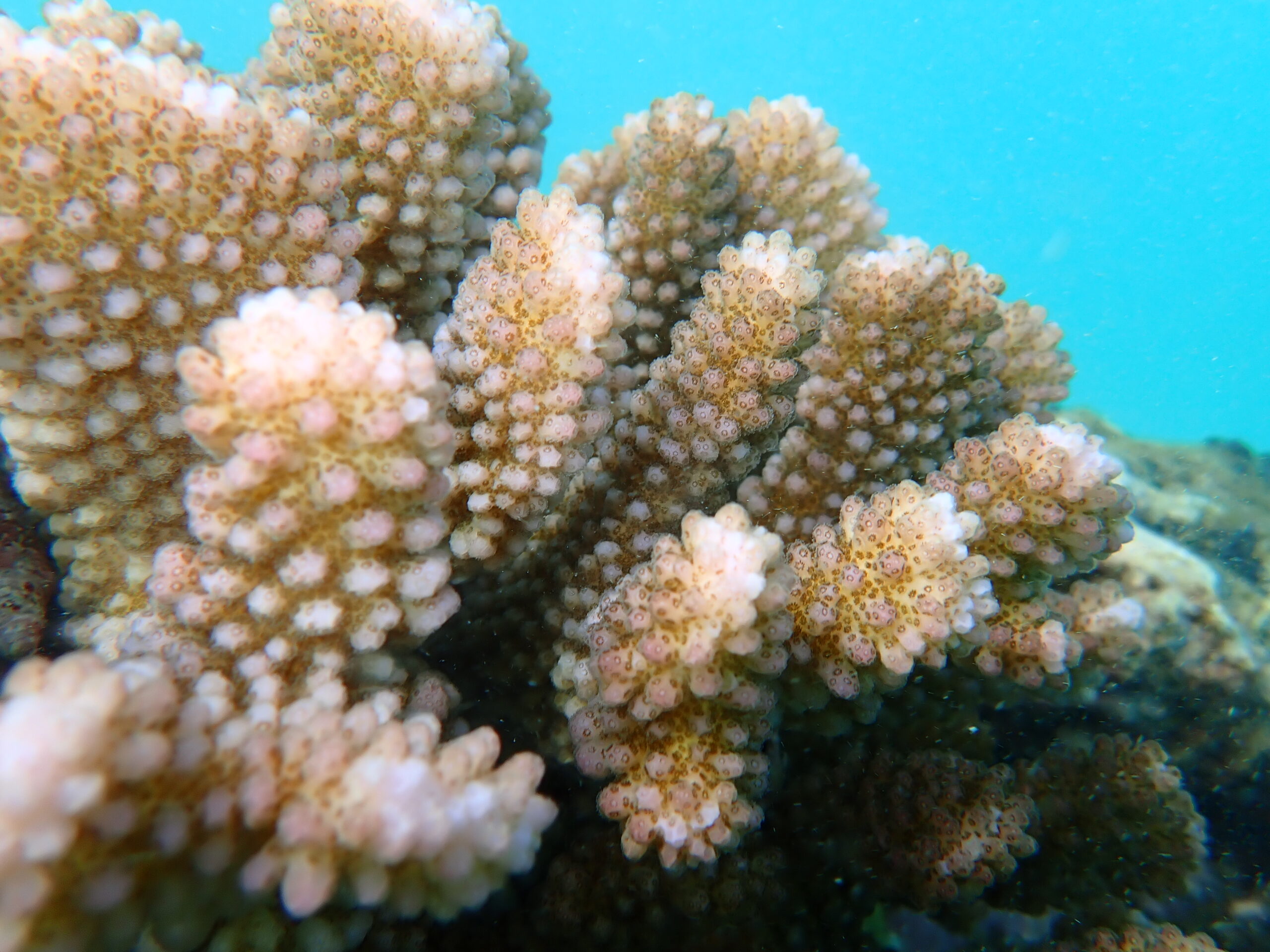
Mohéli is home to internationally important marine biodiversity, including nesting green and hawksbill turtles, dugongs, seagrass meadows and coral reefs. Established in 2001, Mohéli Marine Park was the Comoros’ first marine protected area, but faced significant financial and management challenges.
Through Operation Mohéli, C3 worked with local communities, park rangers and government institutions to strengthen conservation of threatened marine species while exploring opportunities for sustainable livelihoods.
The project combined scientific research with community knowledge, conservation training, environmental education and ecotourism development. Particular emphasis was placed on empowering local people to participate directly in managing and protecting their marine resources.
Activities
Dugong and Seagrass Research
C3 undertook the most comprehensive assessment of dugong occurrence in the Comoros at the time, combining local ecological knowledge with marine habitat surveys.
Interviews with fishers across Mohéli documented historical dugong sightings, population trends and threats, particularly accidental entanglement in fishing nets.
Seagrass surveys were conducted using standardised monitoring techniques to identify important habitats and help prioritise conservation efforts.
The research also contributed to broader regional efforts to develop practical, low-cost approaches to dugong monitoring and protection.
Sea Turtle Conservation and Threat Assessment
C3 conducted a participatory assessment of sea turtle poaching, investigating the social and economic factors contributing to illegal hunting.
Interviews with poachers, consumers, park rangers and enforcement officials identified important hunting locations, motivations and opportunities to strengthen protection.
The findings informed recommendations for improved beach surveillance, environmental education, enforcement and community participation.
Strengthening Marine Park Co-management
C3 assessed local perceptions of Mohéli Marine Park through consultations with communities in all ten villages within the protected area.
The research identified concerns about declining management effectiveness, limited community participation, unequal distribution of benefits and insufficient livelihood alternatives.
Recommendations emphasised more inclusive governance, stronger involvement of women, improved enforcement and financially sustainable management approaches.
Ecoguard Training and Youth Conservation Leadership
Working with Mohéli Marine Park and local partners, C3 delivered conservation training in Hoani, Hamba and Domoni.
Training combined classroom sessions with practical fieldwork on marine and forest ecology, dugong and sea turtle conservation, and environmental monitoring.
The project also supported the Junior Ecoguards, a youth-led initiative that mobilised young people to protect turtle nesting beaches, organise community clean-ups and raise awareness through performances and village events.
Sustainable Tourism and Community Livelihoods
C3 assessed opportunities for environmentally responsible tourism through surveys of visitors and consultations with local communities.
The research identified priorities for visitor information, nature-based activities, waste management and equitable tourism development.
Ecotourism facilities were developed in Hoani, alongside basic hospitality training, helping the community establish opportunities to benefit economically from conservation.
Public Awareness and International Collaboration
Conservation messages were communicated through village presentations, educational brochures, posters and community celebrations, including a dedicated Day of the Dugong.
C3 also worked with regional researchers and international conservation institutions, contributing evidence and technical expertise to wider dugong conservation initiatives.
Key Results
156 fishers interviewed across Mohéli, documenting 392 historical dugong sightings and identifying important areas for conservation attention.
Seagrass habitats surveyed and mapped to support the identification of priority dugong habitat and future monitoring.
27 local participants trained in ecology and conservation, with practical training and assessment for community ecoguards and ecoguides.
20 community focus-group discussions conducted across the ten villages of Mohéli Marine Park, generating recommendations for more inclusive and effective co-management.
74 tourist questionnaires and eight village consultations completed, informing recommendations for sustainable and equitable tourism development.
3,000 educational brochures and 300 T-shirts distributed, complemented by community awareness events and school activities.
Junior Ecoguards received international recognition, winning third prize at the 2008 Volvo–UNEP Adventure Awards in Sweden.
International conservation policy supported, with project research and collaboration contributing to national dugong conservation efforts. The Comoros signed the Convention on Migratory Species Dugong Memorandum of Understanding in August 2008.
Lasting Impact
Operation Mohéli demonstrated how relatively modest conservation funding could support substantial research, community engagement and local capacity development.
The project produced an important evidence base for dugong and sea turtle conservation, strengthened the participation of local ecoguards and community organisations, and helped establish locally relevant approaches to biodiversity monitoring and environmental education.
The Junior Ecoguards were a particularly significant achievement, demonstrating the potential for young people to become conservation leaders within their own communities.
The project’s findings also informed wider discussions on marine protected area co-management, sustainable tourism and regional dugong conservation across the western Indian Ocean.
Technical Reports & Publications
C3-Comores (2008). Operation Mohéli: Linking Conservation of Marine Flagship Species with Sustainable Development. Final report to the BP Conservation Leadership Programme.
C3-Comores (2007). Stakeholders’ Perceptions of Mohéli Marine Park, Comoros: Lessons Learned from Five Years of Co-management. C3 Technical Report Series No. 4.
C3-Comores (2008). Priorities for Sustainable and Equitable Development of the Tourism Sector on Mohéli, Union of the Comoros. C3 Technical Report Series No. 5.
Davis, P.Z.R. & Poonian, C.N.S. (2007). Incidental Capture of the Dugong, Dugong dugon, in Gillnets, Mohéli, Union of the Comoros. Western Indian Ocean regional workshop proceedings.
Contact:
Connect with the C3 Global Network
We welcome enquiries from governments, international organisations, research institutions, conservation partners and private-sector organisations interested in our work.
Our network combines community-centred conservation programmes in Fiji, Madagascar and the Philippines with specialist marine environmental research and consultancy services worldwide.
Whether you are exploring a new partnership, seeking technical expertise or interested in our historical research and publications, we would be pleased to hear from you.
C3 Global Network brings together independently registered conservation organisations and environmental consultancy services.
Community Centred Conservation (C3) is registered as a non-profit company in England & Wales with company number 5606924.