
Building Climate Resilience in the Three Bays Key Biodiversity Area
Critical Ecosystem Partnership Fund | 2024–2027
Conserving Biodiversity in Madagascar's Three Bays
The Three Bays Key Biodiversity Area, situated near Antsiranana in northern Madagascar, supports a rich diversity of marine and coastal habitats, including coral reefs, seagrass meadows and mangrove forests. These ecosystems provide important habitats for marine wildlife, support local fisheries and protect coastal communities from environmental hazards.
However, increasing pressure on natural resources, habitat degradation and the impacts of climate change threaten both biodiversity and the livelihoods of communities that depend on these ecosystems.
With support from the Critical Ecosystem Partnership Fund (CEPF), C3 Madagascar is implementing an integrated conservation programme that combines scientific research, mangrove restoration, sustainable fisheries management and community-led conservation planning.
The project aims to strengthen the ecological integrity and climate resilience of the Three Bays while enabling local communities to play a central role in the sustainable management of their natural resources.
Activities
Marine Biodiversity Assessment and Habitat Mapping
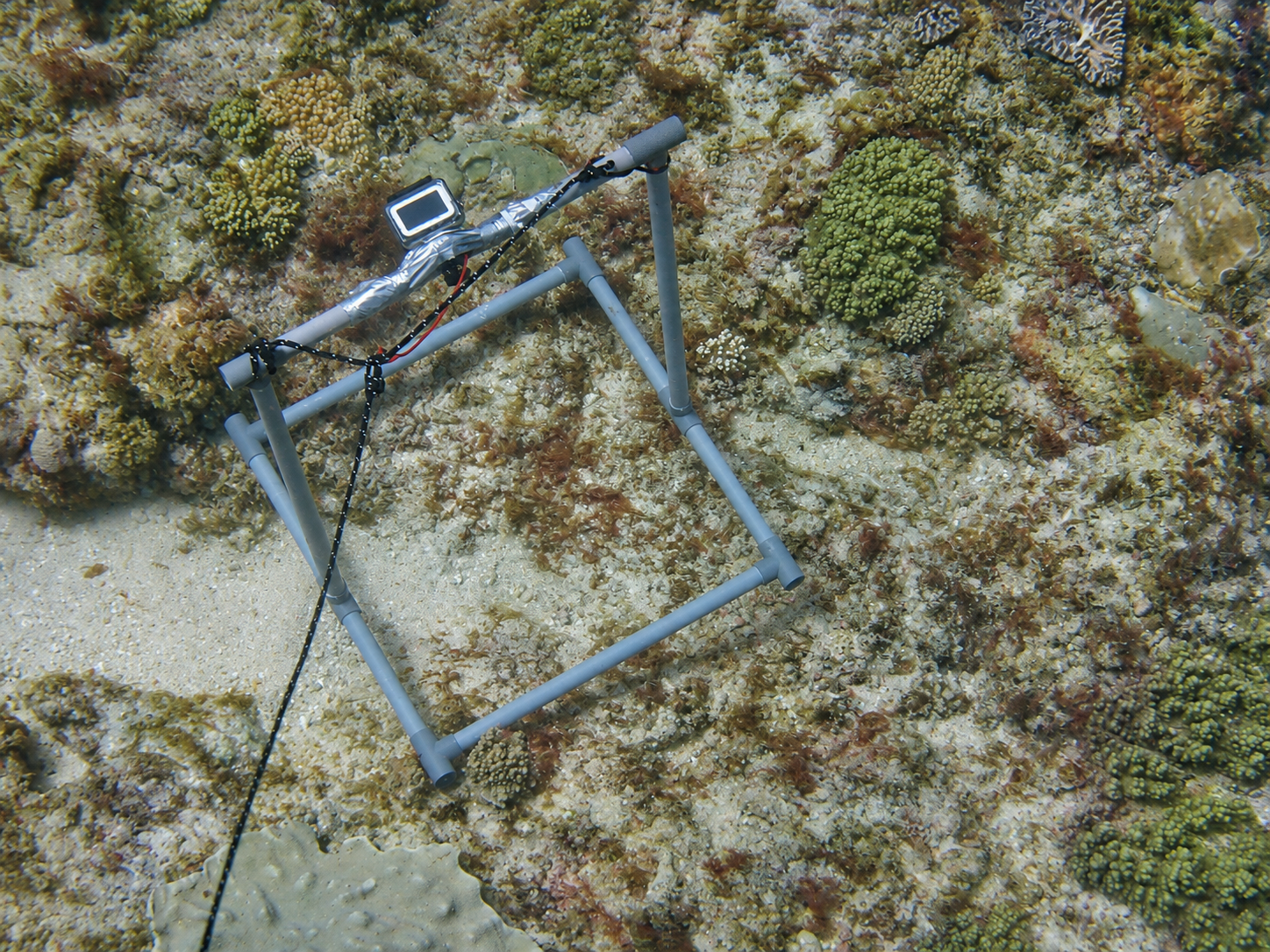
C3 Madagascar is undertaking biodiversity assessments to improve understanding of the ecological condition and conservation importance of the Three Bays.
Research focuses on coral reefs, seagrass meadows, mangrove forests and key marine species. The programme combines field surveys, habitat mapping, community knowledge and modern biodiversity assessment techniques, including baited remote underwater video (BRUV) and environmental DNA (eDNA) approaches.
Spatial information from the Allen Coral Atlas has also been combined with local ecological knowledge to support participatory mapping of marine habitats.
These assessments provide the scientific foundation for identifying conservation priorities, evaluating threats and developing appropriate long-term monitoring and management strategies.
Mangrove Restoration and Replanting
Mangrove restoration is a major component of the project, addressing the degradation of coastal forests that provide essential fish nursery habitats, coastal protection and blue-carbon storage.
Working alongside local communities, C3 Madagascar has undertaken mangrove replanting in degraded areas of the Three Bays, including Ankorikahely and Sakalava Bay.
During 2025, approximately 20,000 native mangrove seedlings were planted across an estimated 20 hectares, restoring areas affected by habitat loss and degradation.
Restoration activities have involved native species including Rhizophora mucronata and Ceriops tagal, selected for their suitability to local environmental conditions.
The planting programme is supported by ecological monitoring to assess seedling survival, growth and the success of restoration interventions.
At Ankorikahely, monitoring of 28 permanent plots recorded approximately 80% seedling survival, with healthy growth observed among the surviving plants. Monitoring in Sakalava Bay also indicated generally stable growth.
A community nursery in Sakalava Bay has produced approximately 12,000 additional mangrove seedlings, including Bruguiera gymnorhiza, Rhizophora mucronata and Ceriops tagal, to support continued restoration activities.
Beyond planting trees, the project is helping communities develop the capacity to maintain restored areas, monitor ecological recovery and protect mangrove forests over the longer term.
Sustainable Fisheries and Coastal Livelihoods
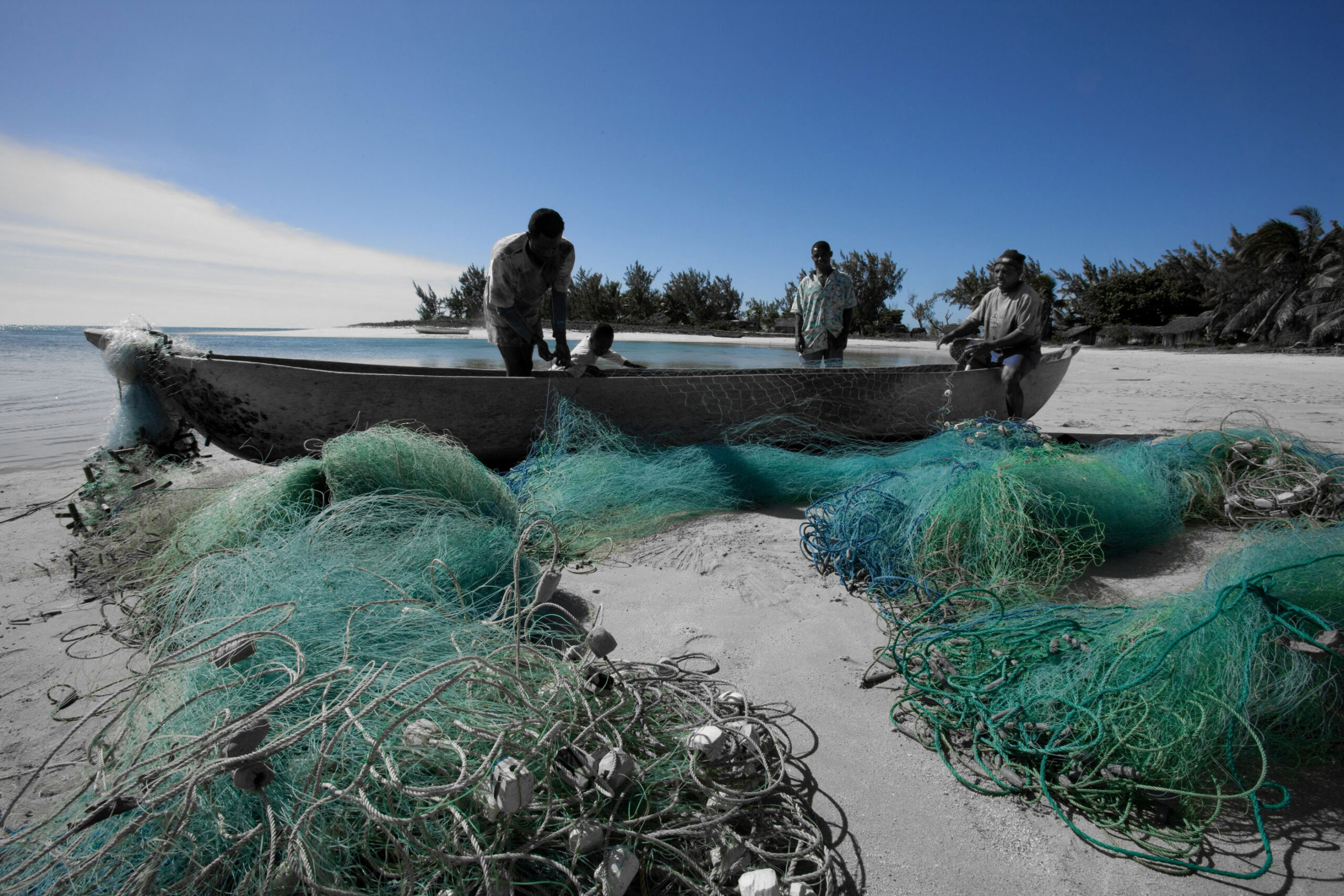
Small-scale fisheries are essential to livelihoods and food security in the Three Bays, but fishing communities face increasing challenges from environmental degradation and pressure on marine resources.
The project promotes sustainable fisheries management through engagement with local fishing communities, improved understanding of marine resources and the development of practical management approaches.
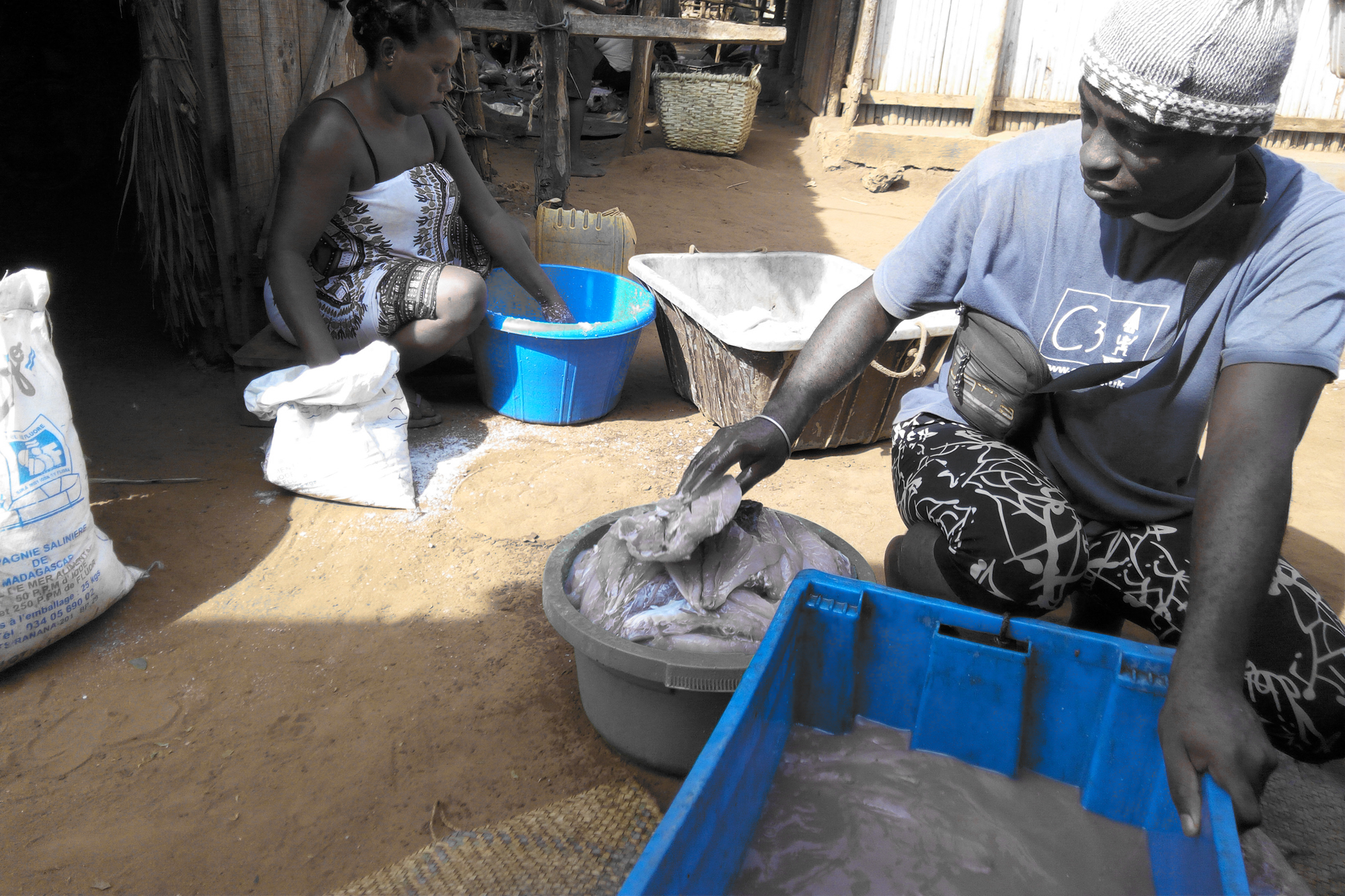
It also seeks to strengthen livelihoods through improvements in fish processing and marketing practices, helping communities obtain greater economic value from marine resources while reducing pressure on vulnerable ecosystems.
By integrating conservation with livelihood opportunities, the project aims to ensure that marine resource management delivers tangible benefits for local people.
Community-Led Conservation and Management Planning
Effective conservation requires the participation and commitment of the communities that depend upon the Three Bays.
C3 Madagascar is working with local stakeholders to combine scientific findings and traditional ecological knowledge in the development of conservation priorities and management approaches for the Key Biodiversity Area.
Participatory mapping and community consultations are helping to identify important fishing grounds, sensitive habitats, areas requiring restoration and opportunities for sustainable resource use.
The project aims to develop a locally supported management plan that provides a practical framework for protecting biodiversity while recognising community needs and priorities.
Environmental Awareness and Capacity Building
Community engagement and environmental education are important components of the programme.
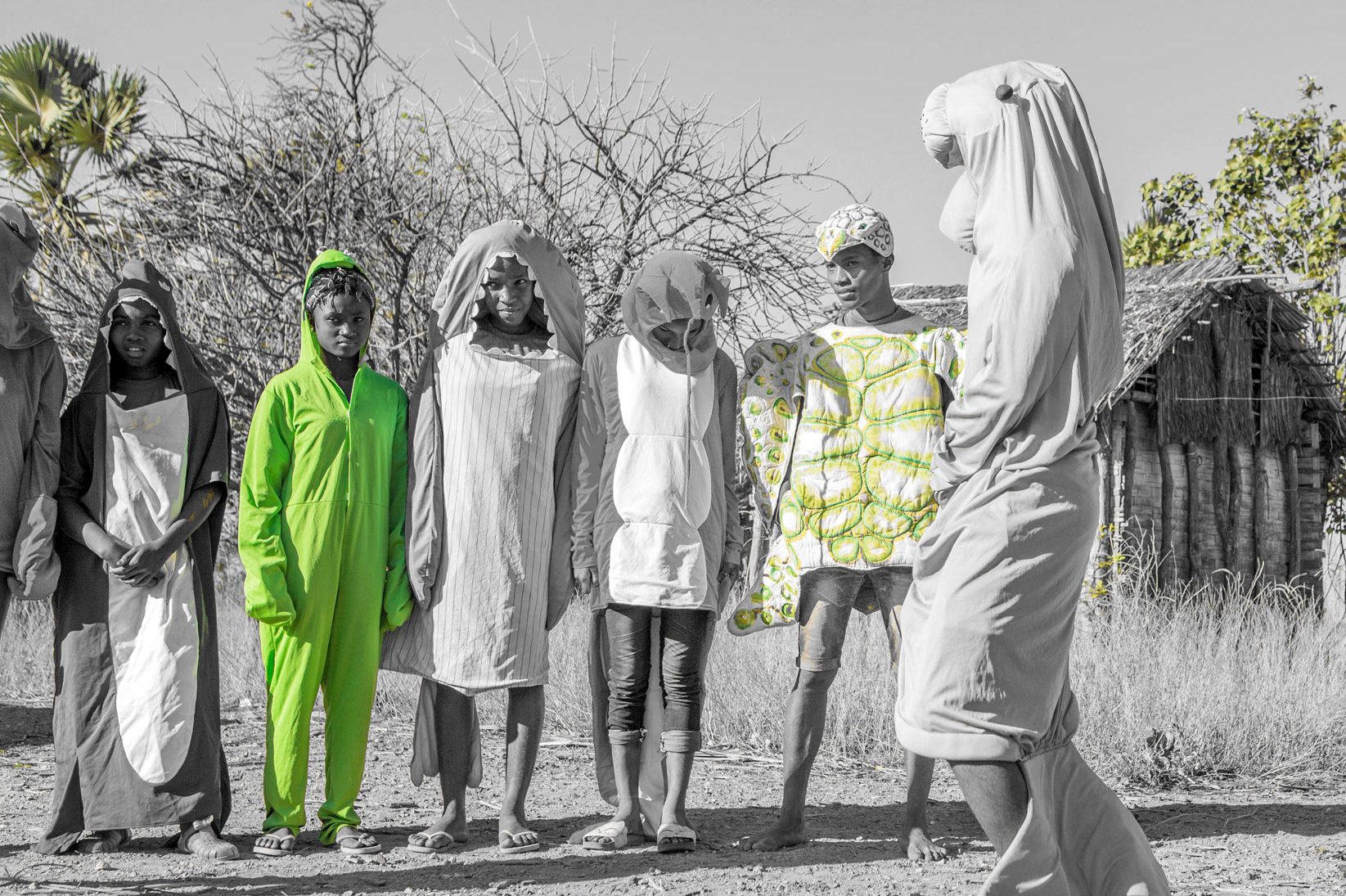
Through meetings, consultation activities and practical participation in ecological surveys and restoration, C3 Madagascar is strengthening local understanding of marine biodiversity, habitat conservation and climate resilience.
Particular emphasis is placed on building community ownership of conservation initiatives so that management and restoration activities can continue beyond the period of external project funding.
Key Results
The CEPF project is ongoing, with several important achievements already documented.
- 20,000 mangrove seedlings planted in degraded areas of the Three Bays during the 2025 restoration campaign, across approximately 20 hectares.
- Ecological restoration monitoring established, including 28 permanent monitoring plots at Ankorikahely and approximately 80% seedling survival recorded at that site.
- 12,000 additional mangrove seedlings produced in the Sakalava Bay community nursery to support further restoration.
- Participatory marine habitat mapping undertaken, combining spatial information from the Allen Coral Atlas with the knowledge of local communities and fishers.
- Community engagement in restoration and monitoring strengthened, helping develop local capacity for long-term coastal ecosystem management.
Further results from biodiversity surveys, sustainable fisheries activities and conservation planning will be incorporated as project implementation progresses and findings are validated.
Lasting Impact
The Three Bays project demonstrates how marine conservation, ecosystem restoration and community development can be integrated into a single approach to climate resilience.
By restoring mangrove forests, improving knowledge of marine biodiversity and supporting sustainable resource management, the project is helping to strengthen the natural systems on which coastal communities depend.
The restoration of degraded mangrove habitats offers potential long-term benefits for fisheries productivity, coastal protection, biodiversity and carbon storage. Scientific assessments will provide essential evidence for future conservation decisions, while community participation helps create the local ownership needed for lasting management.
Ultimately, C3 Madagascar aims to establish a practical and replicable model of community-centred conservation in which healthy marine ecosystems and resilient coastal livelihoods reinforce one another.
Contact
C3 MadagascarLot II Y 30Bis ABA Andrefan'Antanimora,Antananarivo 101, Madagascar
C3 Madagascar (CONSERVATION CENTREE SUR LA COMMUNAUTE C3 MADAGASCAR), in accordance with Article No. 5 of Ordinance No. 60133, is registered as a non-profit organization in Madagascar under the Direction of the Territorial Administration of Antananarivo with Registration No. 1206/14-MID/SG/DGAT/DIRAT/ANT/ASS.